Resistance and power finally herald hope and permanent deal
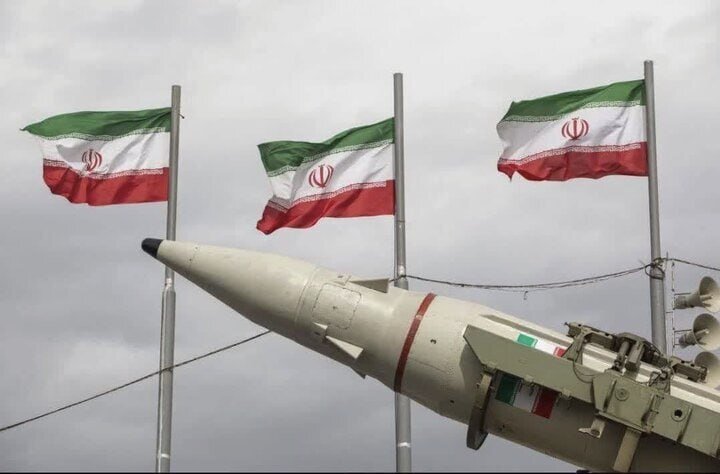
TEHRAN – Iranians woke up on Wednesday morning with the good news of a two-week ceasefire between Iran and the United States mediated by neighboring country of Pakistan.
The sides agreed to the ceasefire at the 11th hour, when most people in Iran were in asleep. However, some citizens stayed awake until late at night to see what would come out of the mediation talks.
During the two-week ceasefire that Iran also opens the vital Strait of Hormuz, delegates from Iran and the U.S. are going to hold talks on Iran’s “10-point peace plan” that the U.S. has said is “a workable basis to negotiate”.
That Iran strongly rejected some points in the initial U.S. 15-point proposal and finally Iran’s plan was agreed as the cornerstone of the talks marks a victory for the Islamic Republic.
Iran’s 10-point plan includes key issues that if the sides fully agree on it during the talks and if Israel does not violate the truce to undermine the talks, it will most likely put an end to nearly five decades of tensions between Iran and the United States that started to intensify over the last two decades.
The most important points in the plan are to recognize Iran’s legitimate right to nuclear enrichment, termination of sanctions on the country by abolishing all UN sanctions resolutions, and non-aggression guarantees.
Iran succeeded to force the United States to consider its proposal through its 40 days of heroic resistance against relentless and heavy aerial attacks by the U.S. and Israel. The aggressors used bombs against Iran which are unprecedented in human history. They used different types of fighter jets, including F-35 warplanes that are the most sophisticated in the world. The U.S. also used B-2, B-1, B-52, A-10 and other advanced fighters as well as bunker busters and 5,000-pound bombs. The U.S. dropped $5.6 billion worth of bombs on Iran in the first two days of war alone.
Iran, as a country that came under attack suddenly and illegally, responded strongly and proportionately with its different types of highly-advanced precision guided missiles and drones to every kind of attack by the invaders.
Iran’s resistance and response to the U.S. as the world’s greatest superpower and Israel as a regional power have put Iran among the most powerful countries in the world.
Iran showed great resilience though it lost senior political, military and intelligence officials in the assassinations conducted by Israel and the United States. Even Iranian opposition figures, that some of them are now in jail or jailed before, as well as some Iranian opposition figures abroad wrote articles or issued messages or composed poems strongly backing resistance against the aggressors.
Writing an article in the New York Times on April 6, Professor Robert A. Pape from the University of Chicago said “the war is turning Iran into a major world power”—not through conventional parity but through control of 20 percent of global oil flows and an asymmetric toolkit that endurance renders unstoppable.
After the declaration of the ceasefire, Professor Pape also wrote on X: “Huge strategic defeat for the US, biggest loss since Vietnam. Shows the surge of Iran as the emerging 4th center of world power.”
Ahmad Zeidabadi, a reformist political activist, wrote on his Telegram channel: “This ceasefire is a shinning political victory for Iran, which will be recorded not just in history but opens a prospect full of hope and confidence for our future days.”
Hossein Mar’ashi, also a former pro-reform lawmaker, said in this war the Americans realized that they are facing “a strong Iran”.
“Iran put on show defense capability, response to the enemy strikes and counter against U.S. (military) bases in the neighboring countries, and with its effective presence in the Strait of Hormuz proved that the world should react to the U.S. aggression,” Mar’ashi told ISNA.
He also praised people’s resistance, adding, “We should kiss the hands of armed forces.”
Though we should wait and see what will finally come out from the planned negotiations in Islamabad, Iran surely will not compromise and must never compromise on certain key points, including an end to the illegal crippling sanctions against its citizens.
Iranians have been penalized for no crimes. They were subjected to war crimes and crimes against humanity in the now-suspended current war and 12-day war in June 2025. The attack on a primary school in Minab in the first day of the war on Feb. 28, the sinking of an unarmed warship in the Indian Ocean with 170 service members aboard, and attacks on residential houses are clear examples of war crimes and crimes against humanity.
Iranian citizens have been under economic terrorism and suffered from shortage or lack of certain medicines which are available in the market in other countries. For example, some children suffered from butterfly skin disease due to economic and financial sanctions.
That Iran must never back down from insisting on the removal of unfair sanctions is that the United States has even introduced limits on foreign nationals who intend to visit Iran as tourists.
To choke off Iran economically, the Trump administration, in his first and second administration, has left no stone unturned.
Economic experts have given astounding figures about the costs of primary and secondary sanctions on Iran. The figures vary from about 1.5 to about 3 trillion dollars.
Iran has been punished for its nuclear program which was under the strict investigation of the United Nations’ International Atomic Energy Agency (IAEA). Iran just suspended cooperation with the IAEA after Israel’s Netanyahu with the help of the Trump administration struck Iran’s nuclear facilities in June 2025. Again, Iran permitted the IAEA to inspect nuclear-related activities in sites other than those struck by Israel and the U.S.
In its 10-point ceasefire plan, Iran has again insisted said it is committed to the principle of not producing nuclear weapons.
Only extremists in Israel like Netanyahu and Christian-Zionist fanatics in the U.S. kept claiming that Iran was seeking to build nuclear arms, and unfortunately President Donald Trump repeated their claims like a parrot. And they finally pushed him toward a full-fledged war against Iran.
If Iran was really seeking to build nuclear arms, it had not accepted intensive inspections by the IAEA and had not held two years of intensive talks that led to the 2015 nuclear deal (JCPOA) that was unexpectedly revoked by Trump in his first term.
What can be learned from this unprovoked and illegal war is that resistance brings hope and victory, and hopefully a permanent deal.
Leave a Comment